1
From 1300
Barbican and Florian Gate
A mighty barbican and medieval gate — royal processions entered the city here for coronation. The start of the Royal Route.
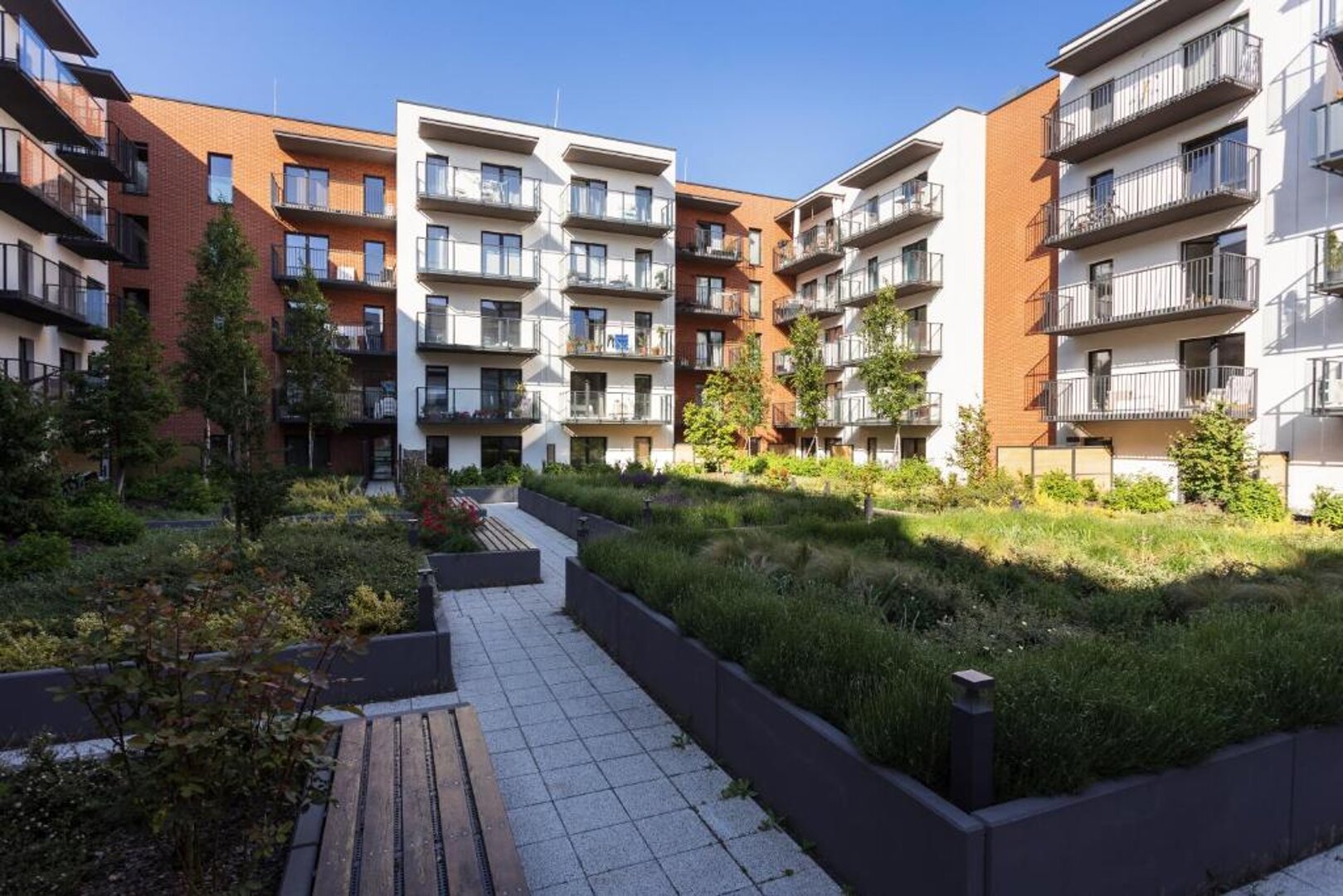
apartments nearby
Six centuries of history in the heart of Krakow — from the city's founding, through coronations at Wawel, to the golden age of the Jagiellons. Discover royal Krakow, street by street.
Why the City of the Kings
For centuries Krakow was the capital of Poland and the place where kings were crowned. The same cobbled streets, townhouses and view of Wawel form the city's living, everyday scenery today.
Where history was written
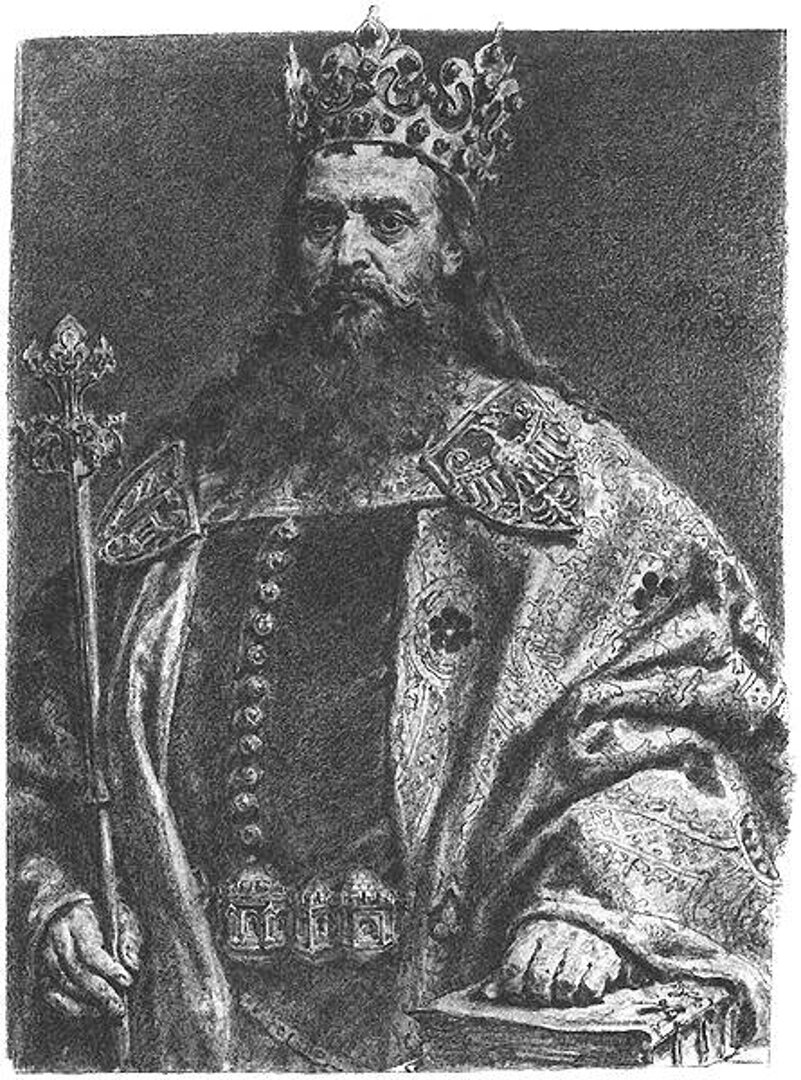
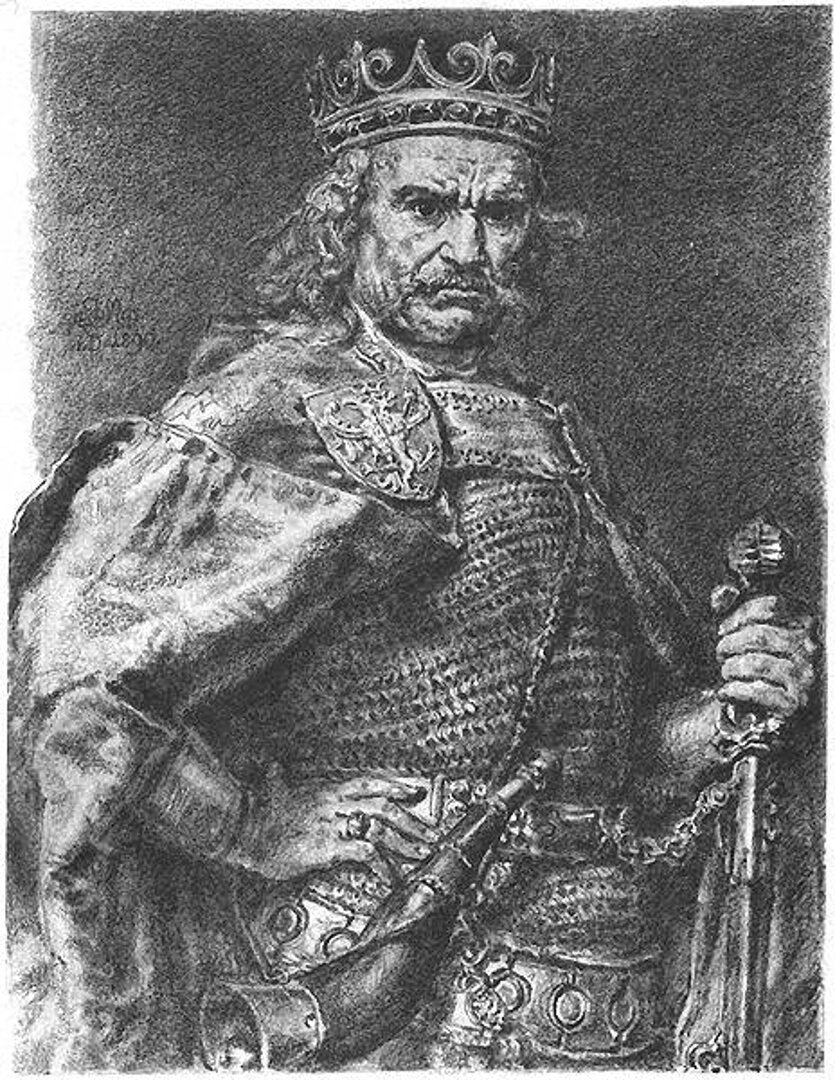
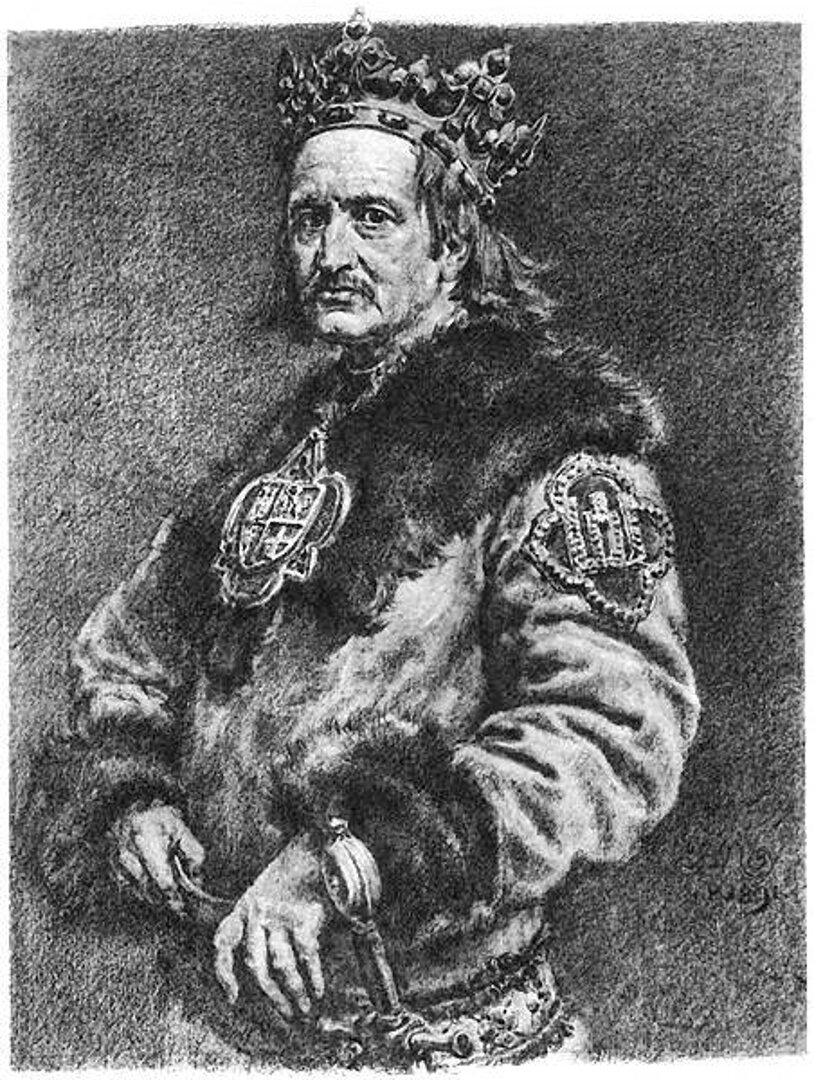
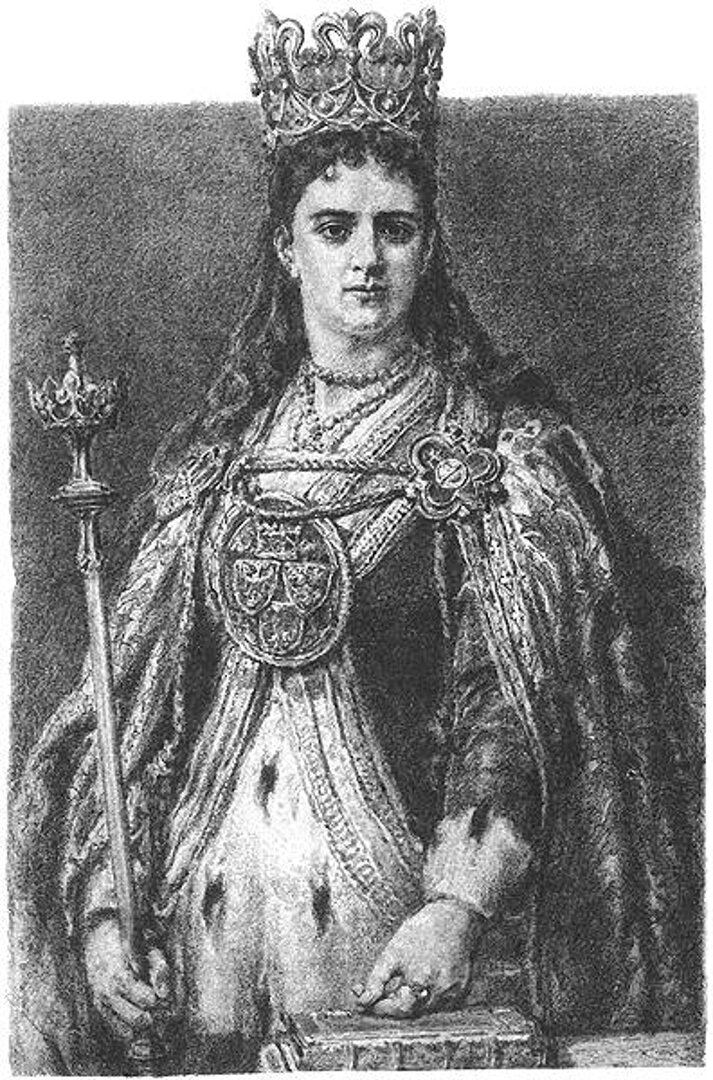
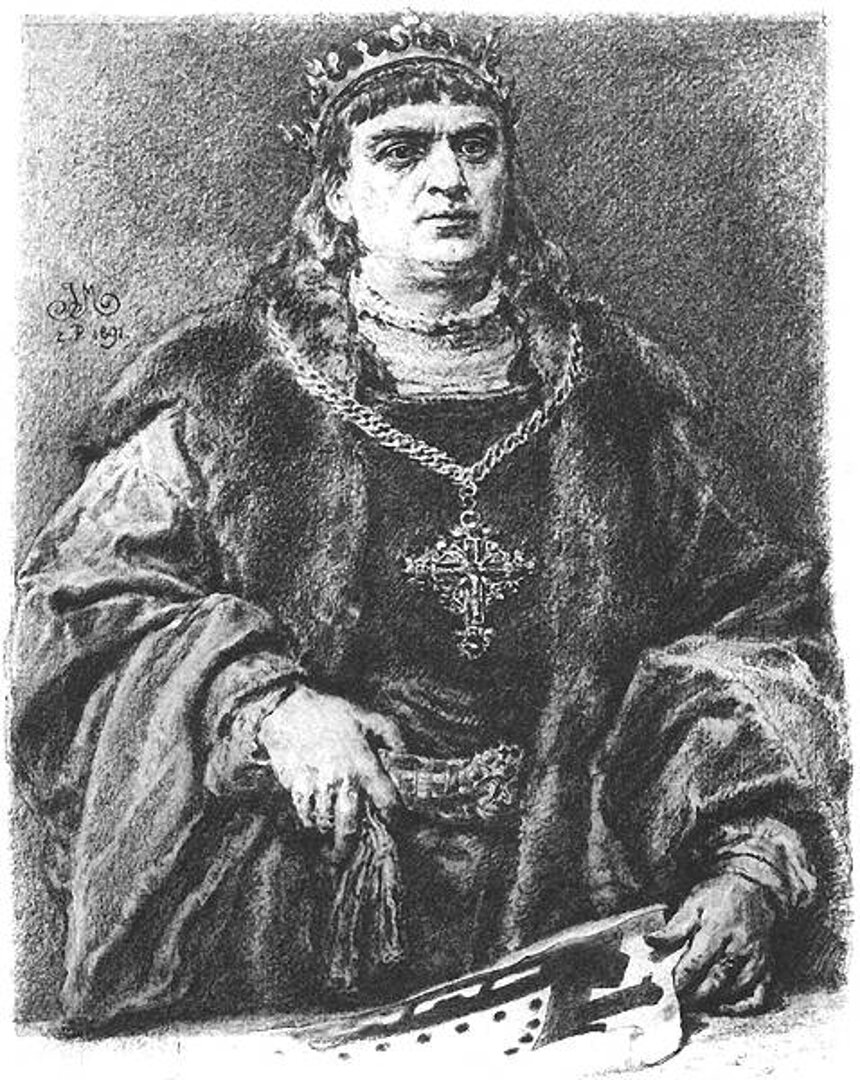
Five centuries of coronations at Wawel — the rulers whose traces are still visible in the city's streets. Click a portrait to enlarge it.
A walk for our guests
Nine stops from the Barbican to Wawel and Kazimierz. Click a stop — see its history and count the apartments right next to it.
A mighty barbican and medieval gate — royal processions entered the city here for coronation. The start of the Royal Route.
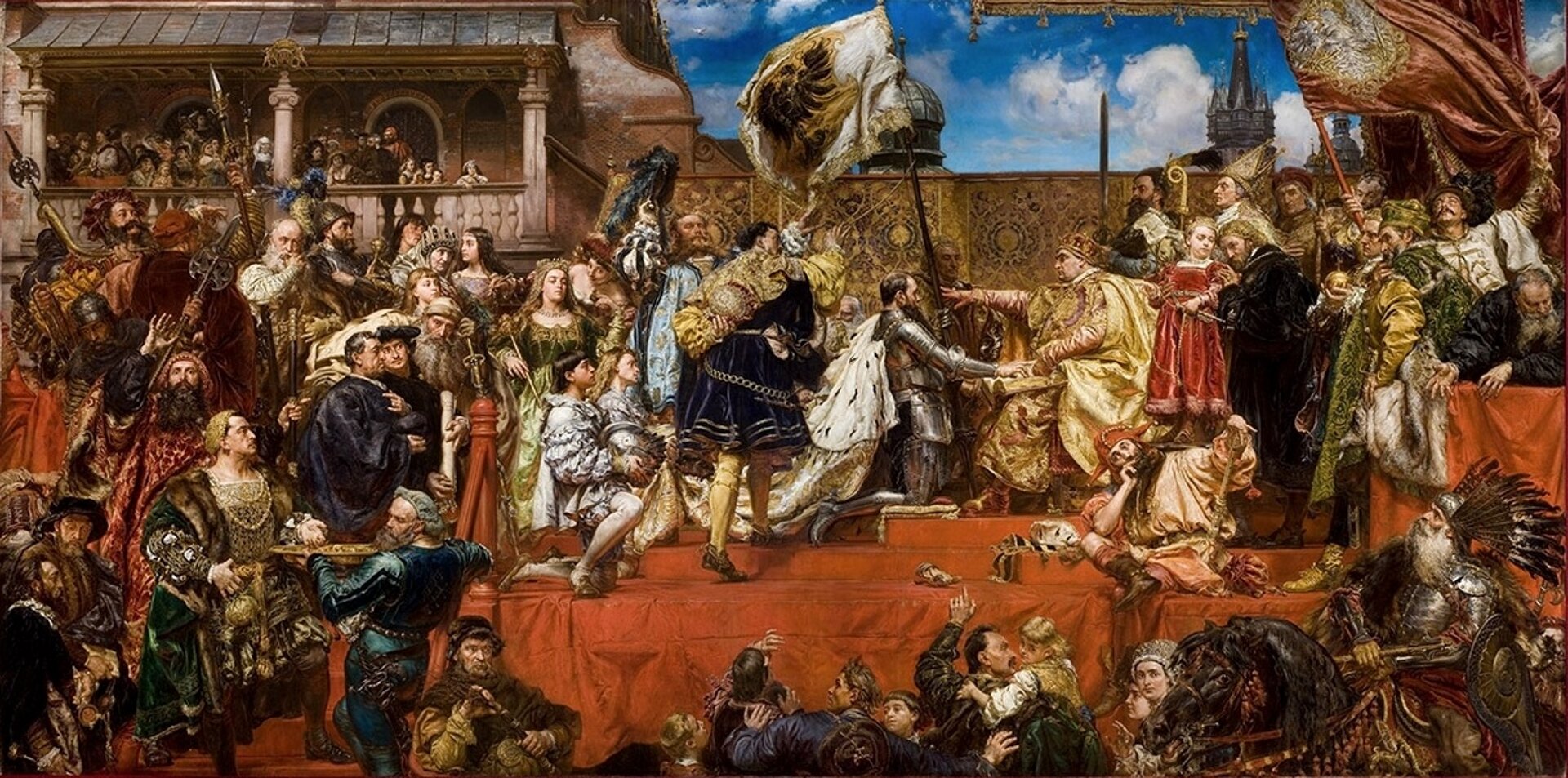
Europe's largest medieval square. Trade flourished in the Cloth Hall, and in 1525 the Prussian Homage took place here, immortalised by Matejko.
A Gothic basilica with the altarpiece of Veit Stoss and the bugle call played every hour from the tower, cut off mid-note.
The oldest building of the Krakow Academy — one of Europe's oldest universities. Nicolaus Copernicus studied here.
The city's most representative route — the cobbled road of processions leading from the Square straight towards Wawel.
Krakow's first Baroque church, with figures of the twelve apostles and the famous Foucault pendulum.
The heart of royal Poland: the castle, the coronation cathedral and the royal necropolis. Kings were crowned and buried here.
The cave of the legendary Wawel dragon at the foot of the hill, and the riverside boulevards along the Vistula.
Once King Casimir's separate town, today an atmospheric Jewish district full of cafes, art and history.
Stay in the heart of history
Apartments within reach of Wawel and the Main Square — check available dates.